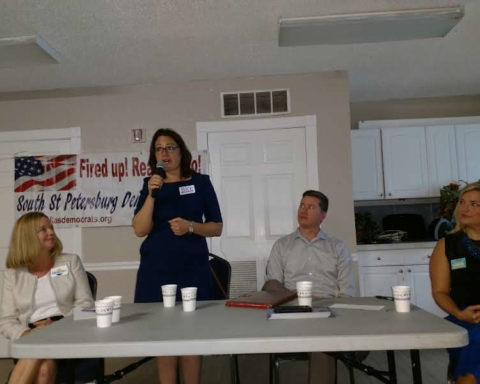
Victorious St. Pete City Council candidate Lisa-Wheeler-Brown’s campaign wasn’t exactly ideal. Negative attacks following the Primary Election clouded her intended message and dominated conversation in the media.
And, as a result, her campaign management became too much of the conversation.
“We work very hard to keep the consultants out of the story,” said Tom Alte, a consultant with the campaign. “You want the candidates to be able to get their message out and to talk to the voters and tell them what they’re running for.”
As more and more information emerged about Wheeler-Brown’s campaign finance activity early on in her campaign, the message became increasingly blurred.
First there was an updated treasurer’s report that showed an expense listed in February for “office space” was actually for a “photo shoot” expense to a dental practice for personal dental work.
Ultimately, Wheeler-Brown paid the $500 expense back when questions swirled about whether or not it was an appropriate expenditure.
Then other mistakes emerged – unreported in-kind contributions, misreported contributions, and various mix-ups in attributions for expenses and contributions.
But Wheeler-Brown wisely steered clear of the controversy. The only times she weighed in were to apologize for the mistakes. And supporters seemed to not take notice even as critics hammered away at the issues.
Instead, the dialogue increasingly shifted toward a battle of consultants.
Wheeler-Brown had initially hired Nick Janovsky of Strategic Campaigns to handle management duties. By the time Blue Ticket Consulting came on with Meagan Salisbury taking point along with Alte, her partner and fiancé things had already gotten hairy.
“In an ideal world, every available penny goes to communicating with voters and telling them what the candidate stands for, why they’re running and what they care about,” Alte said. “When Meagan came on board, she was able to flip the ratio completely and put almost every available dollar into paid communications.”
According to Alte, Salisbury signed on to the campaign with coffers that had nearly run dry and little to show for the expenses except for t-shirts and palm cards that had to be thrown out because they didn’t meet standard criteria. She restructured how funds would be spent and ultimately ensured the campaign was able to limit overhead expenses to almost exclusively the consultant’s fees.
The Wheeler-Brown campaign painted an inaccurate picture of how campaigns should work. Because of the saturation of negative media, it looked to those watching closely that the campaign’s role was to respond to and ward off allegations.
Often in stories about the campaign, the names Tom Alte and Meagan Salisbury – and even the opposition’s campaign manager, Steve Lapinski – popped up more often than the candidates themselves.
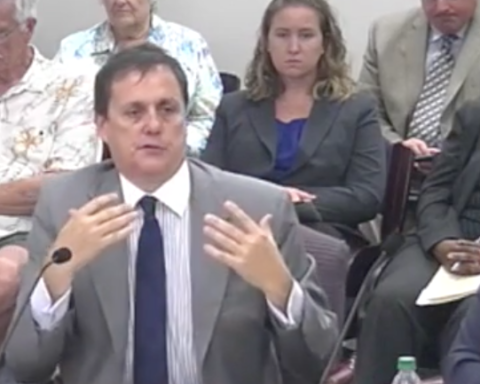
Alte was brought into the conversation when there was a mingling between the Wheeler-Brown campaign and an outside group run by Alte’s Florida Voter’s Fund that paid for anti-Will Newton media. A resident filed a complaint with the Florida Elections Commission.
Later, LaGaceta chimed in on the complaint, bringing Alte again into the limelight.
“I don’ think it had any impact on Lisa, but I also don’t think it was intended to have any impact on Lisa,” Alte said. “I think that was really more of a battle of the consultants.”
Alte explained of campaigns in general that the overwhelming majority of a campaign consultant’s duties should include things like coordinating volunteers, helping the candidate raise money and scheduling meetings with community leaders.
Instead of Salisbury shifting the work burden from typical duties into warding off negative attacks, she just spent more time on the campaign. That work came in addition to attending law school full time and having spent part of the campaign in the hospital.
But despite the less-than-ideal direction the campaign took, Wheeler-Brown still managed to crush Newton in the election with 58 percent of the vote – a 16-point victory in a race most expected to be close.
“Lisa stayed focus on what she needed to do,” Alte said. “She didn’t let the personal attacks get her down. She didn’t take a day off or stop raising money. She did what she needed to do to win.”
Political watchers in St. Pete had called the Wheeler-Brown/Newton race one of the bloodiest City Council elections in recent memory with the most personal of attacks coming late in the campaign when a foundation Wheeler-Brown created in her slain son’s name was called into question.
Despite advice from her campaign managers to stay quiet on the issue, Wheeler-Brown blasted the Newton campaign for falsely accusing her of profiting from her son’s death.
The result: St. Pete Mayor Rick Kriseman offered his endorsement just one day before the election. It may not have made a difference in the grand scheme of things, but likely earned Wheeler-Brown a few extra votes.
Following Wheeler-Brown’s victory Tuesday night, supporters described the negative attacks as having gone too far.
Wheeler-Brown’s campaign highlights a growing trend of negative media being distributed through third parties that can make or break campaigns.
In Wheeler-Brown’s case, the negative attacks may have made her campaign despite the fact that most were against her. At least at a local level that shows voters may be increasingly rejecting claims by outside groups.
In a campaign that focused more heavily on Wheeler-Brown’s campaign finance activity, past criminal infractions and even her activism following her son’s murder than on the issues, Wheeler-Brown still emerged victorious.
“The main victory there was not getting distracted and that’s why she won,” Alte said.
Now that the race is over, Wheeler-Brown, according to Alte, plans to start forging partnerships with community leaders to better follow through on the messages she did manage to convey throughout the campaign.
Expect one of Wheeler-Brown’s top priorities to be working with the Pinellas County School Board and the city to improve schools in St. Pete. She’s also focused on increasing public safety in her poverty-plagued District 7, expanding affordable housing and creating living wage jobs in the community.
Wheeler-Brown takes office replacing Wengay Newton Jan. 2.