At the bidding of St. Pete City Council, the city is backing local nonprofits supporting mental health programs in the city in their ask for increased funding from the state.
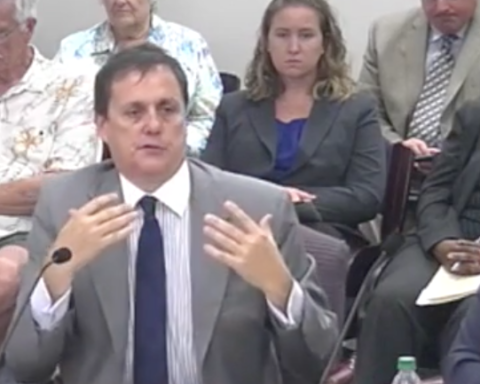
During a presentation today, Boley Centers President Gary McMath told City Council members the average per-person public expenditures for people suffering from mental health in Florida is just $26.60. The national average is $130. That showing makes Florida number 49 in the U.S. for mental health spending.
“It’s pretty dismal,” McMath said.
McMath laid out a list of legislative priorities the board later voted unanimously to support, with council member Wengay Newton absent.
Among those asks are $49 million in increased funding to general revenues. McMath said Gov. Rick Scott had put an extra $20 million into mental health funding, but it won’t go where mental health leaders need it.
McMath also points out there are a number of bills floating through the halls of Tallahassee this legislative session that, while helpful, focus more on infrastructure and “system redesign.”
“It doesn’t go where we need it,” he said.
The money, which wouldn’t even come close to bringing Florida onto a competitive field with other states as it pertains to mental health care, is needed to expand things like transitional housing, substance abuse counseling and other necessary rehabilitative services.
McMath pointed out that the cost to house someone through Boley Centers is far, far less than the overall cost to incarcerate or hospitalize.
According to his number it costs the state about $4,500 a year at Boley. At a state hospital that number jumps to $260 a day. And, McMath said, even in jail it costs a couple hundred dollars to keep someone overnight who suffers from mental health issues.
St. Pete and Pinellas County have been widely acclaimed for efforts to shrink the homeless population. The county’s Safe Harbor program that houses homeless people overnight in an old jail facility has been used as a model in other communities.
But the people still left are some of the hardest to deal with – those suffering from mental illness or substance abuse. And that’s what McMath said the state needs to fork over more money to deal with.
City Council wasn’t the only group to offer support to McMath and other mental health leaders like him. St. Pete Deputy Mayor Kanika Tomlin also stopped into Thursday’s meeting to offer her support.
“We understand that there is absolutely an access issue,” Tomlin said.