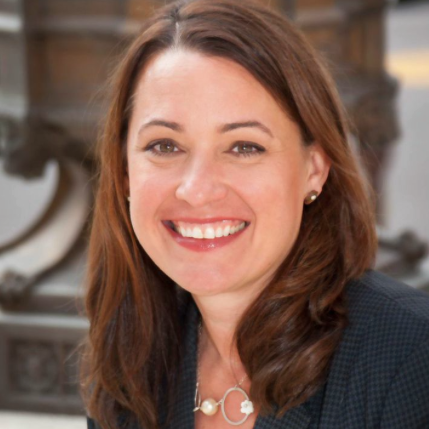
St. Pete City Council member Darden Rice will be packing her bags this Friday and heading to Salt Lake City, Utah, for a National League of Cities Summit to address environmental issues.
Rice serves as the City Council representative for the National League of Cities’ Environment and Natural Resources Policy Committee, the group meeting this weekend.
The committee will talk about federal policy initiatives and look at tested models addressing things like water infrastructure, climate change and sea-level rise mitigation and how to prepare for major storms.
According to Rice, the biggest of those issues is set to be water infrastructure. She said the EPA estimates capital costs for those projects nationwide soaring to $720 billion over the next 20 years. That translates to $20 billion annually for drinking water and $16 billion a year for wastewater.
But Rice has her own personal goal for the meeting. Salt Lake City is comparable in size and population to St. Pete. The difference in population is only a little more than 50,000 residents, according to data from 2013.
Rice hopes to talk to leaders there about their Climate Action Plan. It’s something City Council is in the process of crafting and hopefully adopting in the near future.
“That’s a biggie for me,” Rice said. “And that’s where being in Salt Lake City is going to be really cool.”
For Rice’s sake, it’d better be pretty nifty. She flies into Salt Lake City on her birthday.
Rice said the issues addressed over the weekend aren’t the sexiest of topics, but they are important.
“It’s a way for cities to have a voice at the national level,” Rice said.
She explained that federal policy could often be handed down with little impact from the local governments they most impact. The National League of Cities gives those little guys a chance to let the Feds know what works for them, what they’re capable of doing at a local level and what they need.
“We’ve got to inform them of what’s realistic and what we can do at the municipal level,” Rice said. “Some of their proposals could impact low-income residents.”