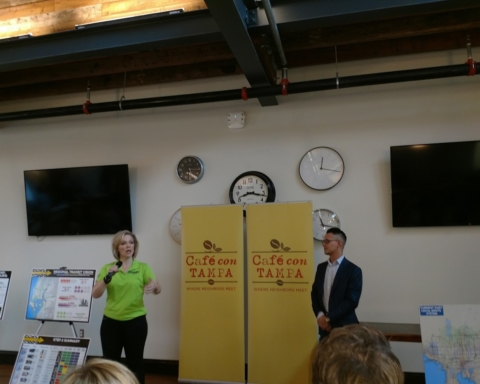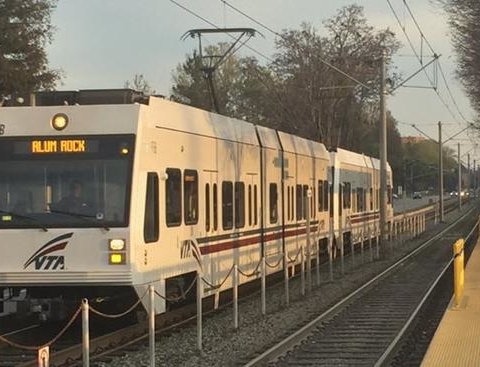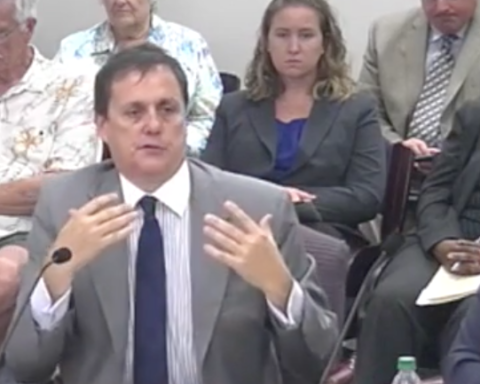
Paul Steinman, the Florida Department of Transportation secretary for District 7, said Thursday that his agency is willing to work with HART on a feasibility study on premium transit in Tampa. It could include bus rapid transit, light-rail or working with CSX, but it’s unknown at this time.
Steinman referenced the fact that FDOT has already committed $1 million with the city of Tampa on feasibility study for the streetcar.
“We are excited to work with all our regional partners on premium transit, and we look forward to working with the DOT on this very important study,” HART CEO Katharine Eagan said.
“We haven’t even done a scope for the study yet,” FDOT’s Kris Carson said.”It would be a feasibility study for premium transit. And what that is yet, we don’t know.”
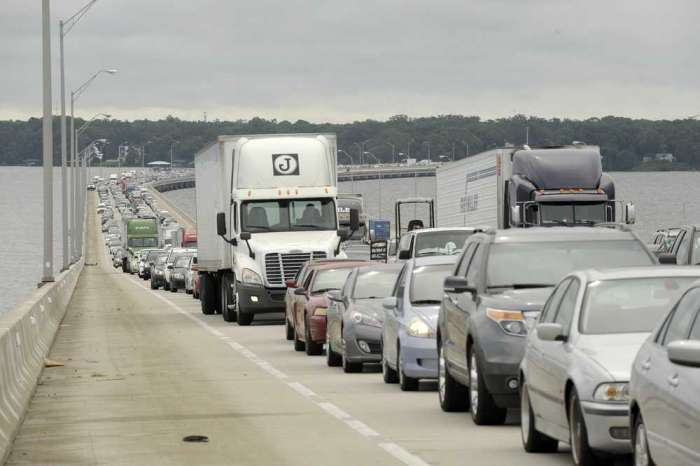
Steinman’s offer is a generous one from FDOT, which has been under considerable criticism in recent months for supporting the controversial Tampa Bay Express project that was built despite overwhelming opposition from several Tampa neighborhoods that the express lanes project will go through.
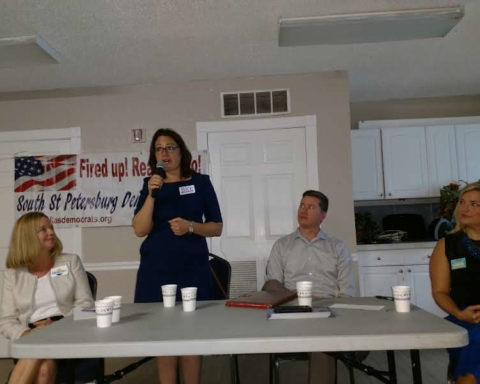
“I can’t seem to wrap my head around the TBX,” complained City Councilman Guido Maniscalco, the only member of the Hillsborough County Metropolitan Organization to against the proposal in August. “Listening to my constituents, the TBX is something the folks don’t want. Let’s invest that into something else, but TBX is wrong, a waste of money is how I look at it,” he said as the audience cheered.
Several members of the public expressed similar sentiments, which dominated much of the morning City Council discussion.
Councilman Charlie Miranda emphasized that he wasn’t critiquing Steinman per se, but said the question he consistently hears from constituents is: Why do you keep building roads, and not put money into mass transit?
The city of Tampa and FDOT are already working on a study to look at how an extended streetcar might work in Tampa. City officials said this year that the study will evaluate how to best extend the route, through downtown and potentially to historic Tampa Heights. It will address potential ridership data, environmental changes, and economic development opportunities as well as refine capital and operational costs.