On NBC’s Meet The Press on Sunday, a group of reporters discussed the possible fissures that will be evident in the Democratic Party as early as next month when President Obama attempts to get the controversial Trans-Pacific Partnership trade deal through a lame-duck session of Congress.
Bernie Sanders‘ strong opposition to the pact between the U.S. and 11 other nations appeared to be a factor in Hillary Clinton‘s flip-flop on the issue. Clinton had previously declared the deal set the “gold standard in trade agreements.”
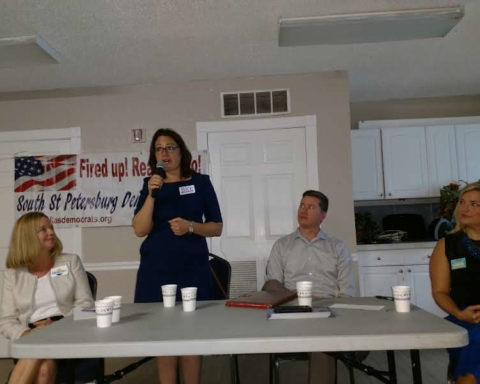
The deal not only divides Democrats nationally, but also in Tampa, where Mayor Bob Buckhorn has been an unflagging champion for the deal, while Congresswoman Kathy Castor has said the agreement is centered around “promoting powerful special interests rather than American values and jobs.”
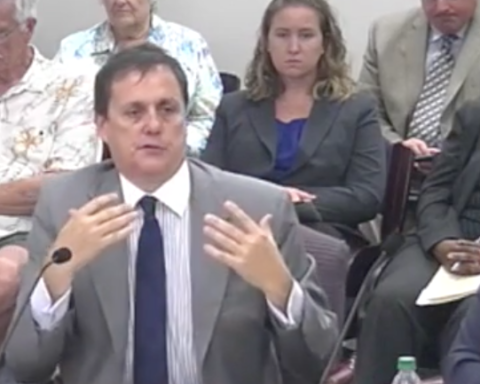
Former U.S. Undersecretary of Commerce Frank Sanchez sides with Buckhorn’s take on the deal.
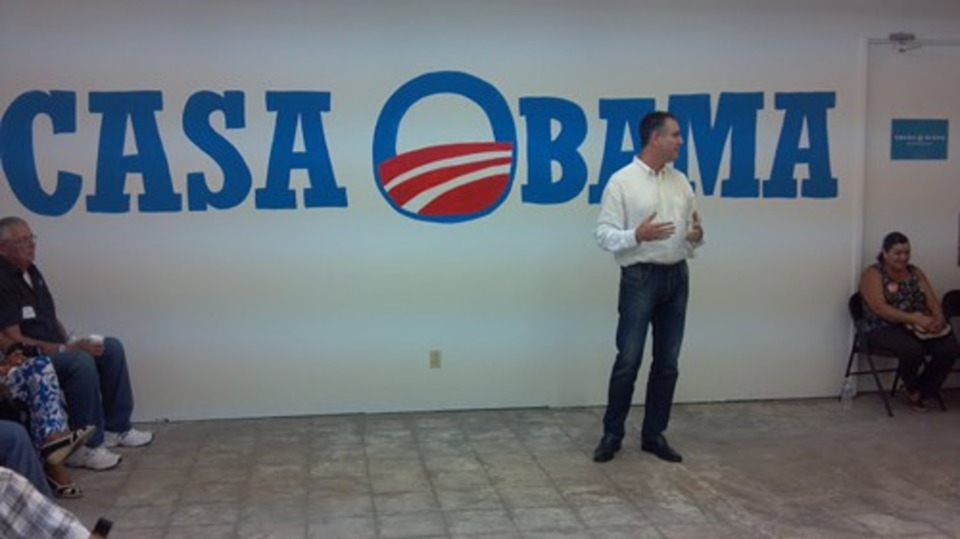
“I think the Trans-Pacific Partnership is misunderstood by a lot of people, and I applaud Bob for having the courage to take on an issue that is at odds with a lot of people in our party,” Sanchez said last Tuesday, where he was hosting a discussion with Hispanic leaders for Democratic Senate hopeful Patrick Murphy in West Tampa.
“I’m a lifelong proud Democrat, but on the issue of the Trans-Pacific Partnership, I think some members of our party have it wrong,” Sanchez says. “I applaud Bob for what he’s doing, and I think Tampa is very fortunate in having him run the city.”
Sanchez currently serves as chairman of CNS Global Advisors, a Washington-based consulting group that helps companies break into international markets. He says he’s utilizing the knowledge and expertise in this position that he gained while working from in the Obama administration. His visit home last week also gave him time to take his 91-year-old mother, Delia, to the Goody Goody for lunch.
Sanchez has served in two Democratic administrations. In 1999 and 2000, he worked for Bill Clinton, first as a special assistant to the president, and then as assistant secretary in the Department of Transportation.
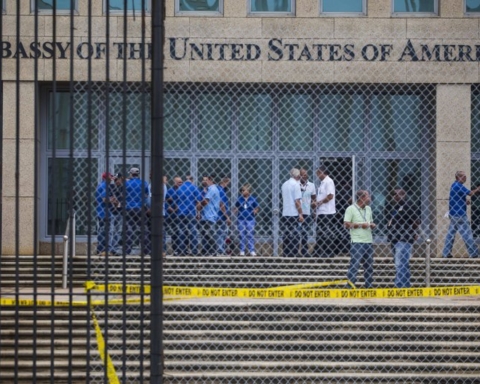
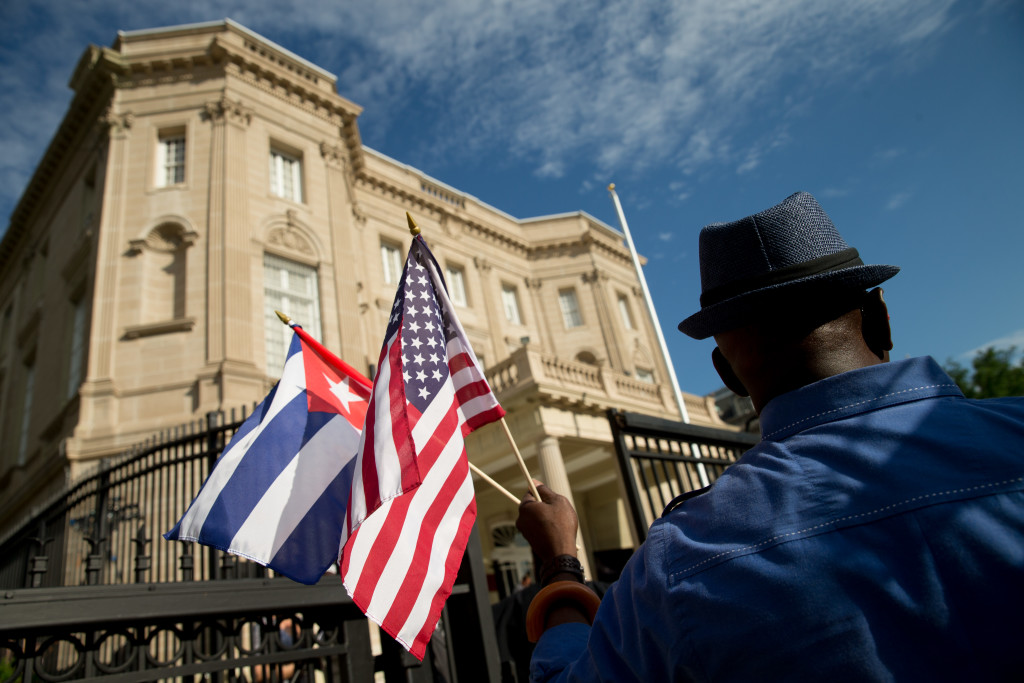
In 2003, Sanchez ran for mayor in Tampa, where he narrowly edged out Buckhorn to get into the runoff election against Pam Iorio, to whom he ultimately lost. Though the two men are friends and agree on the TPP, they differ on another international issue — that being Cuba, and specifically whether Tampa would be an ideal host for a Cuban consulate.
“We’re not going to agree on everything,” Sanchez says. Buckhorn has said he is neutral on the proposal; he does not support it but will not actively work against it.
Sanchez is a strong proponent of President Obama’s incremental moves over the past 22 months to re-establish more relations with the Raul Castro-led Cuban government.
“I think it was the right move,” Sanchez says, adding that of the three stated goals of U.S. policy towards the island — promoting democracy, protecting human rights, and respecting property rights — none have come to fruition under the old policy. “So let’s try a different strategy. Let’s try engagement to see if it can make a difference for the Cuban people. So I think what the president did is going to be good for the Cuban people, and honestly I think good for America to engage.”
Last Wednesday at the J.C. Newman Cigar company in V.M. Ybor, Florida Sen. Marco Rubio — like Sanchez, a Cuban-American — criticized the Obama administration’s moves with regard to Cuba, telling reporters in Tampa that there has been no reciprocity from the Castro government in regards to human rights since the diplomatic breakthrough.
“What I would say to Marco Rubio is that we’ve been rewarding those guys for 60 years and giving them an excuse to blaming us for every problem they have. It’s not our fault, it’s their failed economic policies. We’ve taken that excuse away. It was an old policy that gave them that, so we’ve taken that away, so with all due respect to the good senator, he’s wrong,” Sanchez said.
“One of the things that I did when I was still undersecretary was come to Tampa and help them go through a planning session on how to help businesses, particularly small and medium-sized businesses, get into global markets and how the community can create a comprehensive strategy to support business,” he said. “The reason that’s important is that 95 percent of the world’s consumers live outside the borders of the U.S., and there’s a growing middle class outside the borders of the U.S., so if American businesses don’t take advantage this, they’re leaving a lot of opportunity on the table. And we’re helping them with this.”