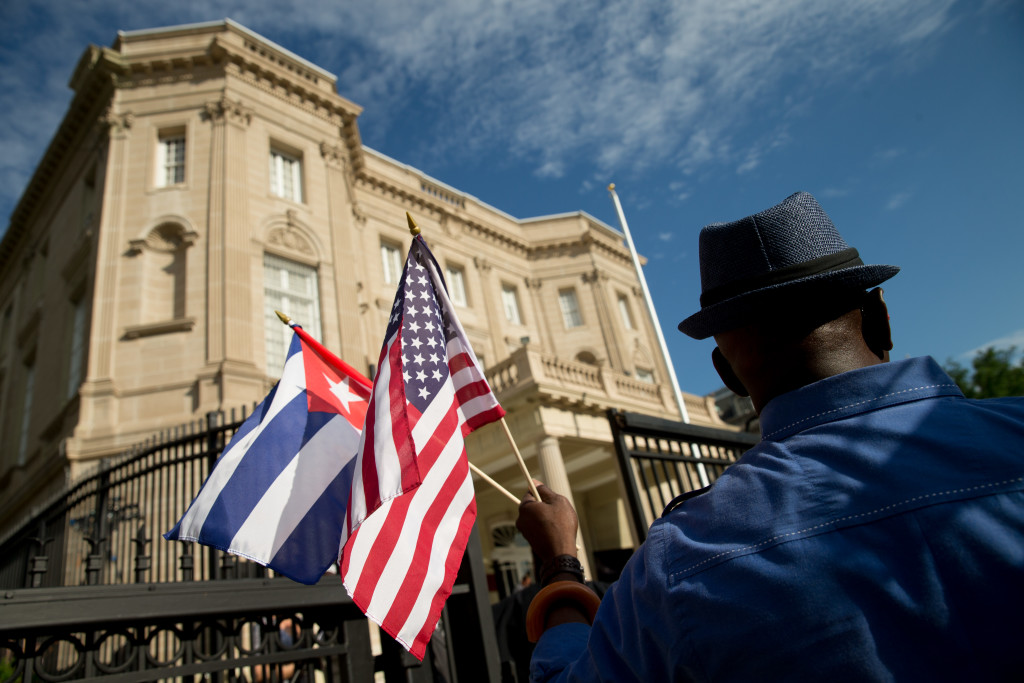
Advocates for liberalizing relations between Cuba and the U.S. cheered last week after the Senate Appropriations Committee adopted three amendments to the fiscal 2016 Financial Services spending bill related to the communist island nation, including a provision that would allow Americans to travel to Cuba under any circumstances and two others that would open up trade with the country.
What was significant about that vote was that it was the first time since President Obama announced his diplomatic breakthrough last December that a congressional panel had approved any measure related to the Raul Castro-led government.
But that vote hardly guarantees that such a bill gets to President Obama’s desk anytime soon. Last month House Republicans, helped by some Democrats, changed three appropriations bills to limit the ability of Americans to travel to Cuba or send goods there. It was on one of those appropriations bills regarding expanding travel that earned the vote of Pinellas County U.S. Rep. David Jolly.
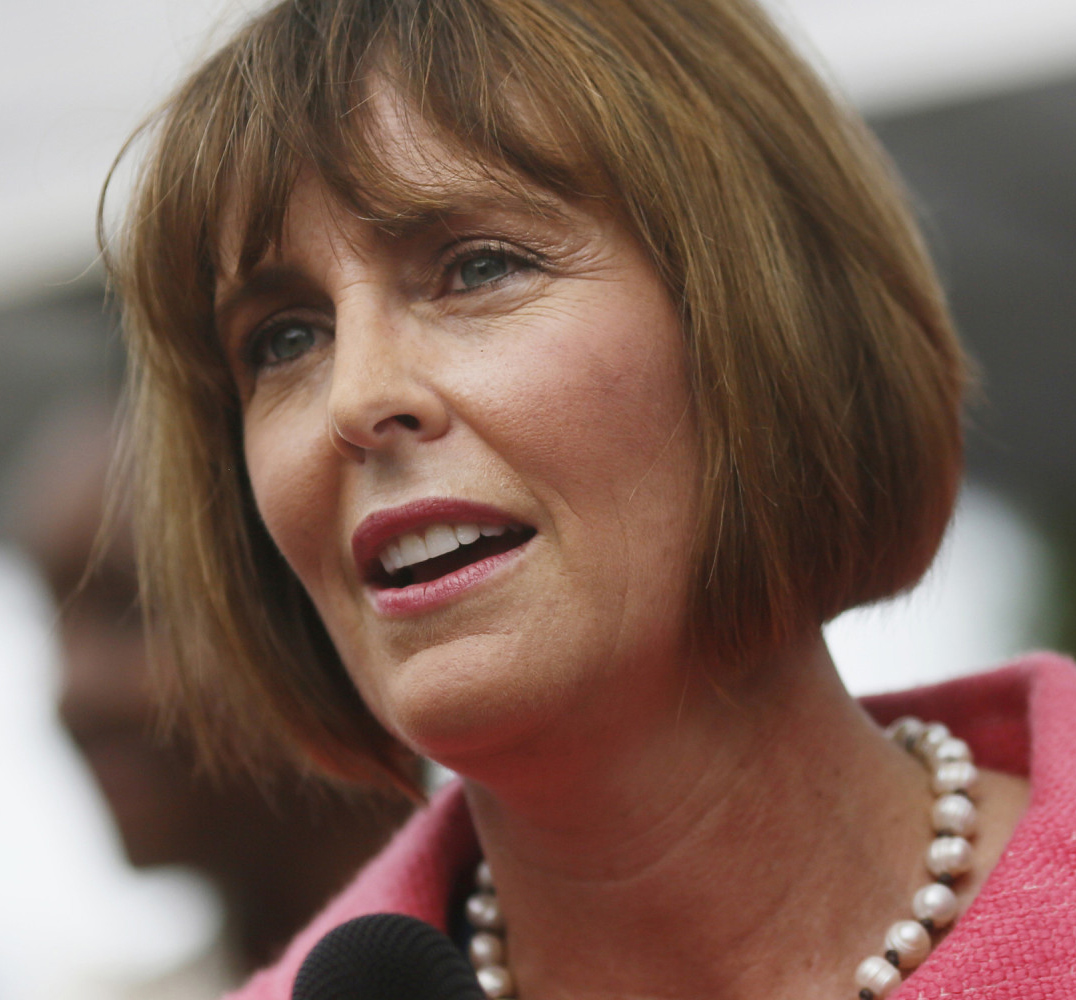
Tampa Bay area Democratic U.S. Rep. Kathy Castor, who has been a leading supporter of breaking down the barriers between the two countries over the past couple of years, says that it will be a battle between House and Senate negotiators when the appropriations bill goes to conference.
“On the Appropriations side, with some of the hardliners sitting on the Approprirations committee, we are not going to see those kinds of riders” that were in the Senate bill, Castor said on Monday. “So what will have to happen is when we put the appropriations bills together, who will win out?” she asks. “It will be interesting to watch.”
Relaxation on the travel ban in the Senate Appropriations Committee was sponsored by Kansas Republican U.S. Sen. Jerry Moran. His amendment passed 18-12, with four Republicans joining him in the vote: Susan Collins of Maine, John Boozman of Arkansas and Shelly Moore Capito of West Virginia.
Moran told Roll Call last week that he believes that there are 60 votes in the Senate to change the relationship with Cuba. “But,” he added, “I would also say that the House more than likely has a different position, particularly in the appropriations process and so this now becomes an item for negotiation.”
Castor says she remains positive about what is possible to be changed via Congress this year on Cuba.
“We’re going to continue to chip away, bring more Republicans to the side of empowering the Cuban people, so watch for legislation that’s going to be filed, and slowly but surely we’re going to begin to move to dismantle some of the parts of the embargo,” she said.