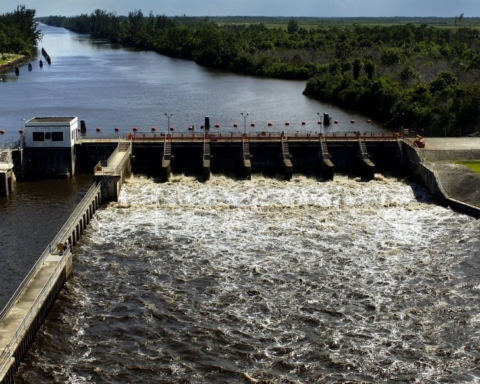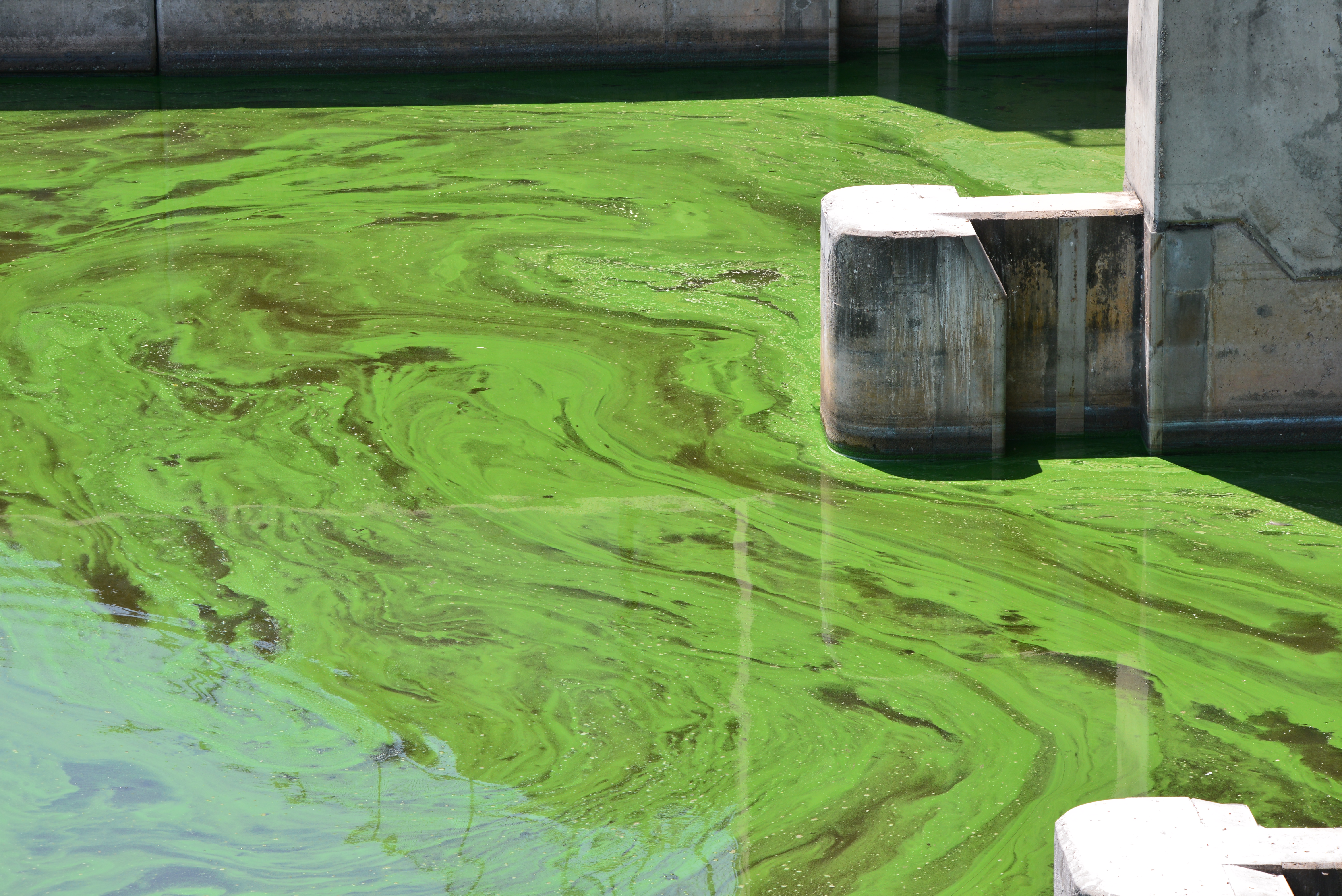
While much has changed in Florida over the years, for environmentalists, one thing has remained somewhat constant — polluted discharges from Lake Okeechobee.
And when they point fingers at what is causing the recent toxic blue-green algae blooms plaguing the Treasure Coast, agriculture has reliably been held up as one of the “usual suspects.”
For many activists, the real danger is decades of water laden with phosphorus and fertilizer runoff; other factors, like failing septic tanks, rarely get the blame.
But is that indeed the case? Not everyone agrees.
Take Jacksonville’s St. John’s River, the longest river in the state of Florida at more than 300 miles. Lake Okeechobee does not discharge into the St. John’s River, but the two waterways share something in common — similar threats from algae blooms.
A recent exposé by the News 4 Jax I-TEAM has found that despite a 10-year effort, failing septic tanks around the city continue to leach sewage into the water, accelerating algae blooms similar to the ones occurring further south.
Along Doctors Inlet, algae bloom has been so toxic that biologists claim it could kill a small animal or make anyone who consumes the algae very sick.
“It was highly toxic,” St. Johns Riverkeeper Lisa Rinaman told reporters. “In fact, it was 120 times more toxic than safe recreational standards set by the World Health Organization.”
Rinaman attributes St. John’s algae blooms to a number of factors: over-fertilized yards, industrial pollutants and Jacksonville’s more than 20,000 failing septic tanks.
Septic tanks, you say?
This environmental calamity has been a persistent threat to the St. John’s, even after the city updated its master stormwater management plan, with additional retention ponds to handle stormwater runoff.
Nevertheless, News 4 Jax reporters discovered that of 21,000 deteriorating septic tanks identified in the city plan, only about 1,000 have been phased out.
Even as environmentalists are quick to blame agricultural phosphorus for the current woes in the waterways south of Lake O, other studies found that agriculture represents only a fraction of the current phosphorus levels.
And no less than the state of Florida recognizes that failing septic tanks are a factor; the South Florida Sun Sentinel reports that the state is considering a proposal to provide matching grants for homeowners that switch from septic tanks to central sewer systems, eliminating at least one substantial source of phosphorus from entering waterways.
So after decades of the narrative from environmentalists saying agriculture causes Lake O-based algae blooms, it may be time to admit that perhaps septic tanks cause algae blooms after all.