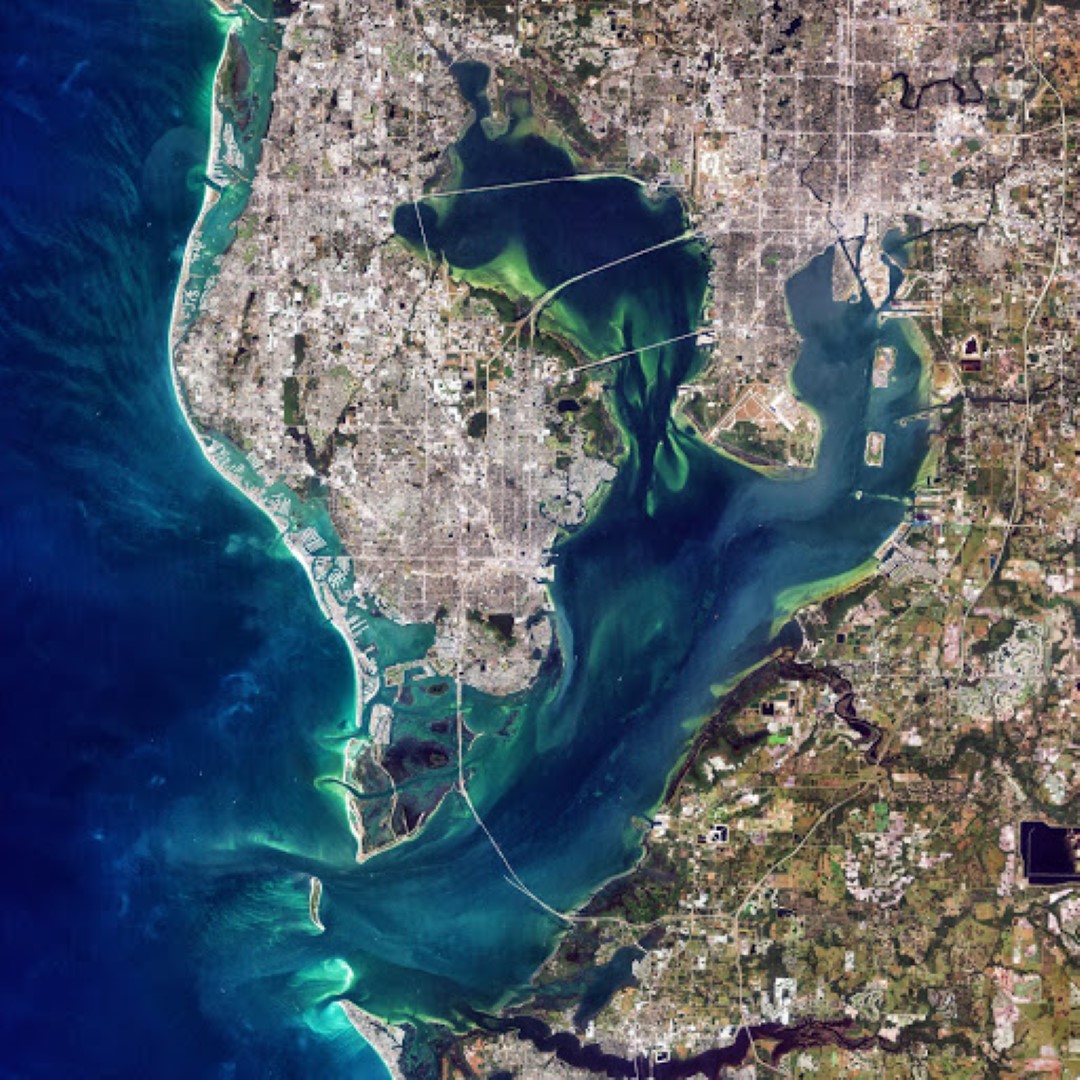
Gov. Rick Scott on Tuesday announced a new case of Zika in Pinellas, bringing the total cases in the county to 10.
The nine cases that had already been identified as of Monday by the Department of Health were all travel-related. The 10th was not. It was locally transmitted, meaning that mosquitoes in the area are infected with the virus.
Zika disease is caused by the Zika virus, which is spread to people primarily through the bite of an infected mosquito, according to the Centers for Disease Control. The illness is usually mild with symptoms lasting up to a week, and many people do not have symptoms or will have only mild symptoms. However, Zika virus infection during pregnancy can cause a serious birth defects.
The best way to prevent Zika is to avoid being bitten by a mosquito, the CDC says.
Pinellas County officials say they are already aggressively fighting mosquitoes by treating known breeding areas from air and ground. So far this year, Pinellas County mosquito control has received more than 2,500 service requests from Pinellas County residents and businesses — with an average response time of 24 hours or less.
Technicians note many local homes have items or areas that contain standing water — ideal breeding conditions for mosquitoes — contributing to the mosquito problem. Mosquito larvae only need a fraction of an inch of standing water to survive.
“In light of Zika activity in our state, we are urging residents to do their part to reduce the mosquito population,” said Rob Krueger, entomology and education support specialist at mosquito control.
Steps residents can include:
— Empty any containers that can hold water (examples: flower pots, garbage cans, recycling containers, wheelbarrows, aluminum cans, boat tarps, old tires and buckets).
— Flush birdbaths and wading pools weekly.
— Flush ornamental bromeliads or treat with BTI, a biological larvicide available at home stores.
— Clean roof gutters, which can become clogged and hold water.
— Change the water in outdoor pet dishes regularly.
— Keep pools and spas chlorinated and filtered.
— Stock ornamental ponds with mosquito-eating fish.
— Cover rain barrels with screening.
— Check for standing water under houses, near plumbing drains, under air conditioner drip areas and around septic tanks and heat pumps.
— Eliminate standing water, improve drainage and prevent future puddling.
“It’s important for residents to remember the three D’s of mosquito prevention,” Krueger said. “Dress wisely, defend with a good mosquito repellent, and drain standing water.”
Mosquito bites can irritate skin and potentially spread disease. Residents are urged to protect their skin from mosquito bites when outdoors by wearing mosquito repellent (products containing DEET, IR3535, picaridin or oil of lemon eucalyptus) and loose-fitting clothing with long sleeves and pants. These simple preventive measures can help reduce the number of mosquitoes in Pinellas County and minimize mosquito-borne diseases, officials say.