Lawmakers vying to make civil citations mandatory for first-time misdemeanor offenders under the age of 18, received some added support at the Florida Capitol last week.
Pastors, reverends and priests representing churches from around the state stood alongside Sen. Anitere Flores, R-Miami, as she spoke to reporters about her “second chance” juvenile justice reform bill.
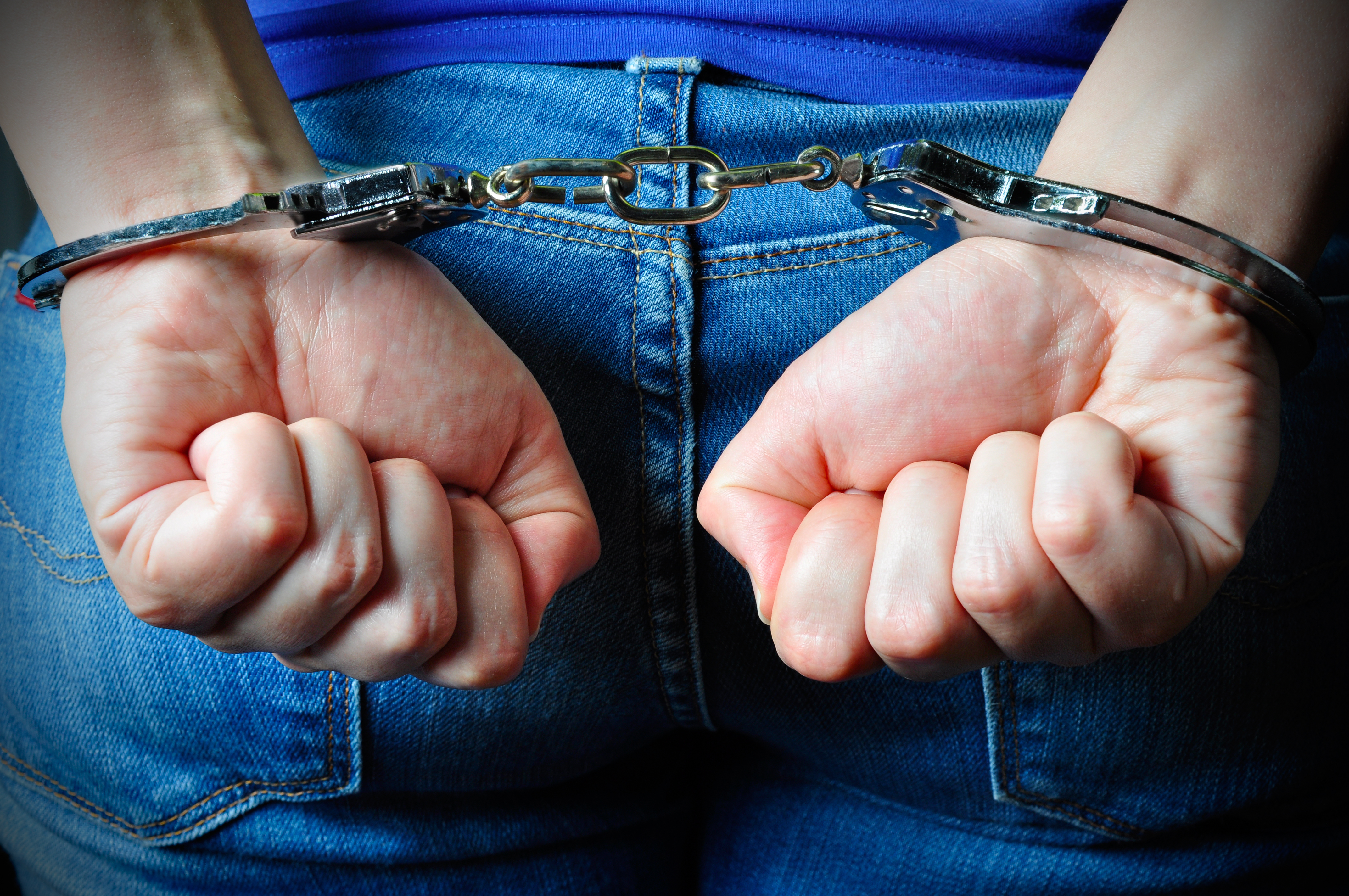
Civil citations are an alternative to arrest, detainment and enrollment into the state juvenile criminal justice system. The pre-arrest diversion program requires accountability in the form of community service and behavioral health counseling. The problem, said Flores, is that local law enforcement agencies issue civil citations unevenly.
“In Pinellas County, 94 percent of youths eligible for civil citations – the first time they’ve ever been charged with a misdemeanor – receive them,” Flores said. “If you cross the Skyway Bridge and go into Hillsborough County, then that number drops to 34 percent.”
The two counties are socially and economically similar, Flores explained. “So how is it there can be such a difference,” she said.
Pastor Ron Clark of Hurst Chapel African Methodist Church in Winter Haven, said the proposed legislation would provide equal access to youth civil citations for all children.
“In my church, there was a young man who took a short cut on his way home from school – never been in trouble before. He was arrested for trespassing and now has a criminal record,” Clark said.
“When I was kid, I trespassed. I went swimming in a private pond and fished,” he added.
Clark said he went on to serve as an officer in the U.S. military, a school board member and a mental health counselor in addition to being a pastor for the past 30 years. “If I was living in Polk County and got arrested, I wouldn’t have had the opportunity to serve this great county and this state in the capacity that I have,” he said.
Last year, about 550 minors were arrested for trespassing in Florida despite qualifying for pre-arrest civil citation programs.
Eligible offenses are limited to possession of alcoholic beverages by persons under age 21, battery, criminal mischief, trespassing, retail and farm theft, fighting, rioting, possession of small amounts of cannabis or controlled substances, possession or sale of drug paraphernalia and resisting an officer without violence.
Statewide, about 19,000 minors committed eligible offenses last year; about 10,000 were arrested, according to Flores.
‘Arrests close doors’
Studies have shown that civil citations and other pre-arrest diversion programs lead to better long-term outcomes.
Research conducted by the Tallahassee-based Children’s Campaign shows that children arrested for minor crimes are twice as likely to re-offend as those issued civil citations and assigned to intervention programs.
A criminal record also can carry lasting consequences.
“Without a doubt, arrests close doors to youth for future education and employment,” said Roy Miller, the group’s president.
Father John Tapp of Nativity Catholic Church in Brandon expressed support for the reform measure on behalf of the Counsel of Catholic Bishops.
“There are many Catholic parishes throughout the state of Florida that support this effort for civil citations and the work of the bishops of the state on this issue speaks for itself,” Tapp said.
Rev. Jay Kowolski of East Lake United Methodist Church in Palm Harbor and Pastor Rusty May from Messiah Lutheran Church of North Fort Myers both spoke in favor of the bill. Other clergy stood in support without speaking.
Ken Wooten, a parishioner of Bethel Community Baptist Church in St. Petersburg, shared his personal testimony.
“My son was arrested for marijuana back in 2013. He received a civil citation and was able to complete the program. He got drug counseling. He paid restitution. At the time he was kicked out of his high school, but they took him back and he’s now gainfully employed,” Wooten said.
‘Discretion in every situation’
Law enforcement officials say they’re not opposed to civil citations outright, but they are wary of making them mandatory.
“The Florida Police Chiefs Association strongly believes that law enforcement needs to have the discretion in every situation whether to issue a juvenile civil citation or make an arrest. The FCPA opposes mandating that law enforcement issue a juvenile civil citation,” the association’s list of legislative priorities reads.
The Florida Sheriffs Association also “opposes a statewide mandate of issuing civil citations to all juveniles,” according to its 2017 legislative platform, saying only that it “supports improving the current program with enhanced data collection to ensure deputies have the most up-to-date information available to them before issuing a civil citation.”
The Florida Department of Juvenile Justice has a different take. The state juvenile corrections agency says the diversion program is “vital” to reforming the juvenile criminal justice system, and states on its website that the department wants “to enhance pre-existing civil citation programs and to promote and expand the civil citation process statewide.”
The department also asserts that civil citations “save millions of dollars that would otherwise be spent if youth were arrested and required to go through formal delinquency processing.”
Rep. Larry Ahern, R-Seminole, sponsor of a matching House bill, said on Wednesday that at $4,500 per arrest, the state could have saved $45 million last year if all eligible youth received civil citations.
According to the Children’s Campaign’s most recent research findings, Miami-Dade, Broward and Palm Beach counties together comprised less than one-tenth of the state’s citation-eligible arrests last year, despite representing 30 percent of the state’s population.
Duval, Hillsborough and Orange counties were responsible for one-quarter of all youth arrests for eligible misdemeanors, yet represent only 18 percent of Florida’s population.
Twenty-one school districts, 13 counties and 150 law enforcement agencies issued no civil citations at all, and instead relied solely on youth arrests.
“One or more civil citation or similar diversion programs shall be established in each county,” the bill states, each extending to “serve all juveniles who are alleged to have committed a violation of law which would be a misdemeanor offense if committed by an adult.”
The citation and other diversion programs apply as long as a juvenile suspect admits to committing the alleged offense and has a clean criminal record.
According to the bill, law enforcement officers would have discretion to issue civil citations for second and third misdemeanor offenses, as well as offenses outside of the prescribed list of misdemeanors.
If a minor opts to participate in a civil citation program, the bill calls for no more than 50 community service hours and the completion of intervention services, which include family counseling, urinalysis monitoring, substance abuse and mental health treatment services.
Failure to complete intervention programs would cause the initial criminal charge to be referred to a state attorney.
Flores’ bill was approved by the Senate Criminal Justice committee last week, 5-2, and will be debated next in the Criminal and Civil Justice Appropriations Subcommittee.