The bad news in citrus: “Grapefruit production declined.” The good news: “Florida orange production remained steady.”
That’s the upshot of the latest forecast by the U.S. Department of Agriculture’s National Agricultural Statistics Service, according to the Florida Department of Citrus (FDOC).
“The April report projects the state’s orange crop to stay at 67 million boxes for the 2016-17 season,” a Tuesday news release said. “The grapefruit crop was reduced by 800,000 boxes to 8.1 million.”
The industry has been savaged by a citrus greening epidemic. The so-far incurable disease is attacking fruit, causing it to turn green and bitter, and eventually killing the tree. Florida’s famous oranges are most at risk.
“It’s a tough hit for Florida’s grapefruit growers who have been so committed to fighting pest and disease to maintain this staple of Florida’s economy,” said Shannon Shepp, FDOC’s executive director.
The department, funded mainly through box taxes paid by the state’s citrus growers, serves as the chief marketing, regulation and promotional arm of the industry.
“Florida grapefruit is, by far, what world consumers seek out for its unique flavor profile, sweetness and juiciness,” Shepp added.
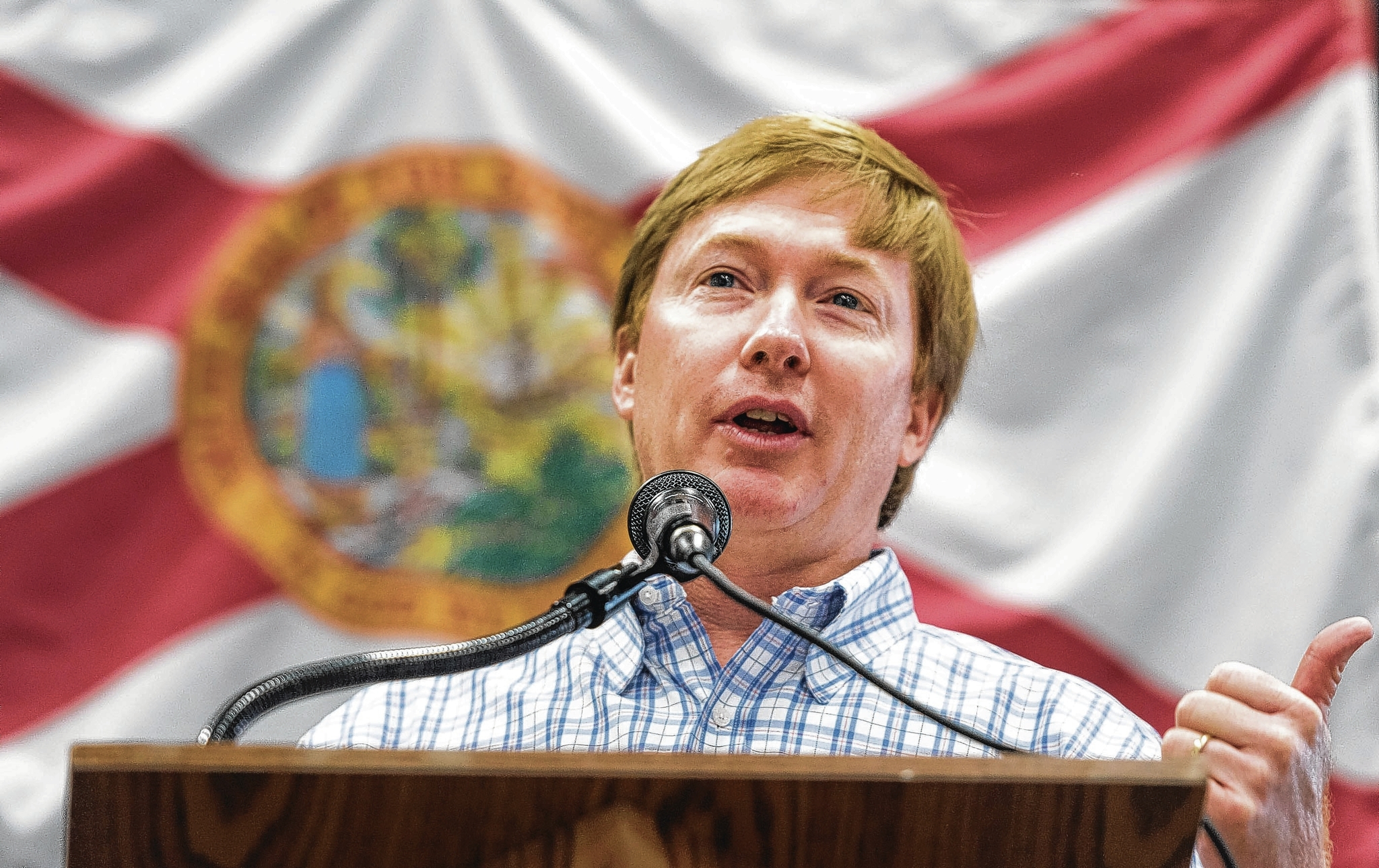
In a separate statement, Agriculture Commissioner Adam Putnam said the latest forecast “represents a more than 70 percent collapse in production of our state’s signature crop” since the 1997-98 season.
“Until a long-term solution is discovered, which some of our state’s brightest minds are working on, we must support Florida’s multi-billion dollar citrus industry and the more than 60,000 jobs it supports,” he said.
Greening is caused by a jumping plant louse and the bacteria it hosts. The tiny bugs feed on citrus leaves and infect the trees with the bacteria as they go. Researchers have been looking into ways to cure the disease or to grow a strain of citrus resistant to the bacteria.
Florida’s growers and industry groups have sought approval from the federal government to use antimicrobial treatments to fight greening.
Putnam “issued a crisis declaration in 2016 regarding their application to the Environmental Protection Agency, which allowed the immediate use of these treatments,” his release said.