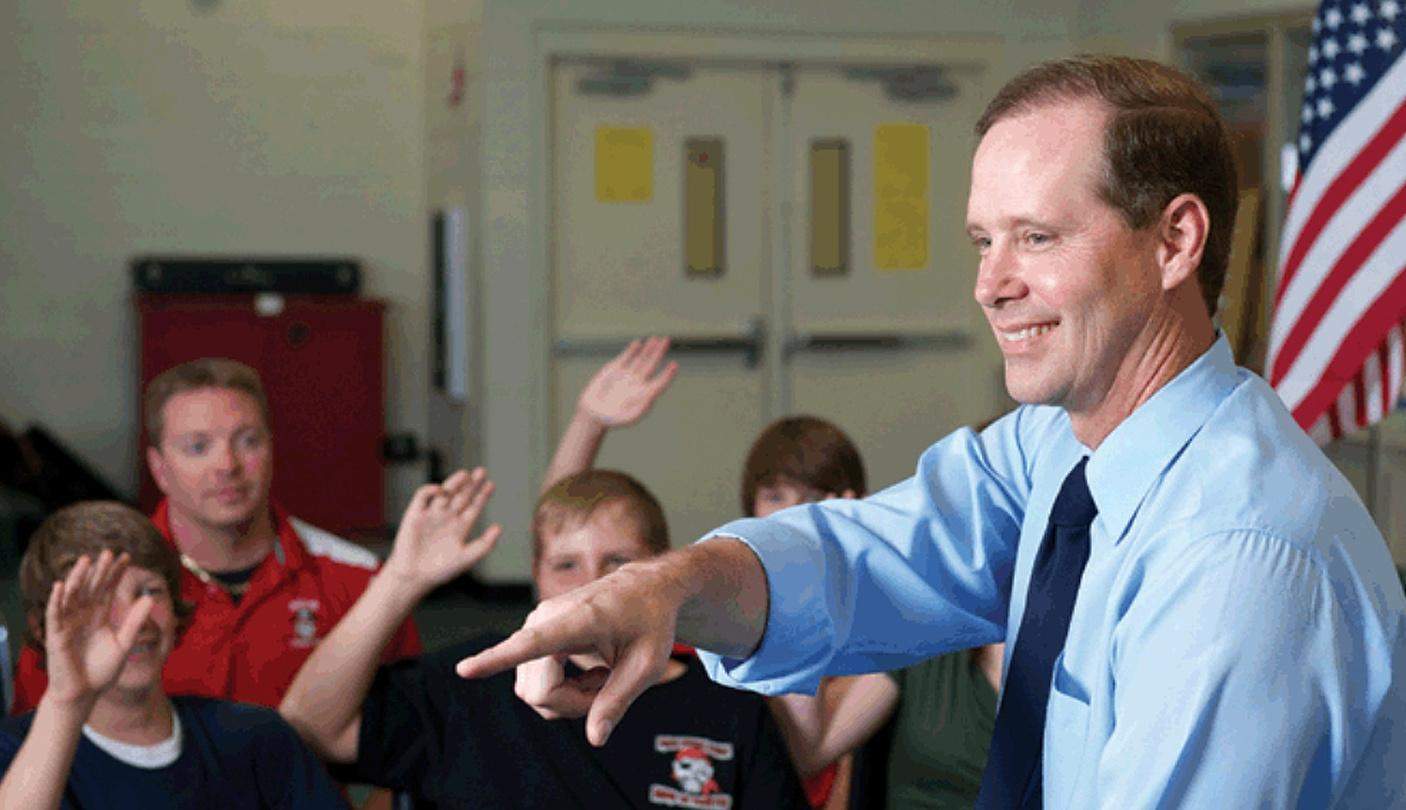
A former state Senator has signed on to represent the backers of a proposed constitutional amendment on gambling.
Florida Supreme Court records show Miami attorney Dan Gelber filed a notice of appearance on behalf of Voters In Charge, the committee behind the amendment.
Gelber, 55, also was Democratic Leader when he served in the House and unsuccessfully ran for Attorney General in 2010, losing to Republican Pam Bondi.
He also has been general counsel to Fair Districts Now, the coalition behind constitutional amendments aimed at preventing gerrymandering in political redistricting.
The Voter Control of Gambling amendment would give Floridians more control over the expansion of gambling in the state.
The amendment would “ensure that Florida voters shall have the exclusive right to decide whether to authorize casino gambling,” the ballot summary says.
It’s aiming to get on the 2018 statewide ballot.
Among other requirements, proposed amendments to the constitution must be OK’d by the Supreme Court to ensure they cover only one subject and that their ballot title and summary aren’t misleading.
They also need a financial impact statement. But it’s not clear whether the amendment will help or hinder the state’s finances.
The Financial Impact Estimating Conference’s final report was hand-delivered to Attorney General Pam Bondi and Secretary of State Ken Detzner last week.
A summary reads: “The amendment’s impact on state and local government revenues and costs, if any, cannot be determined at this time because of its unknown effect on gambling operations that have not (yet) been approved …”
It’s not clear whether the amendment will only prevent expanded gambling going forward, or if it also could knock out some games now being played in Florida.
Amendments are required to be reviewed for any financial effect on the state’s coffers. The state earns revenue by taxing gambling proceeds, including $150 million-$200 million yearly from slot machines.
Lawmakers failed to approve a renewed agreement with the Seminole Tribe of Florida this past session.
It would have allowed them continued exclusivity to offer blackjack in return for $3 billion over seven years in revenue share to the state.
But it also would have effectively expanded gambling, including letting the tribe add roulette and craps at their casinos.
The amendment would not affect Indian gambling operations. They are regulated under federal law.