While the attorney for the Voter Control of Gambling amendment said it would address a “lack of clarity,” the state’s justices seemed to lack clarity about just what the constitutional change would do.
The Florida Supreme Court heard oral argument Wednesday. It must OK proposed amendments to ensure they cover only one subject and that their ballot title and summary aren’t misleading.
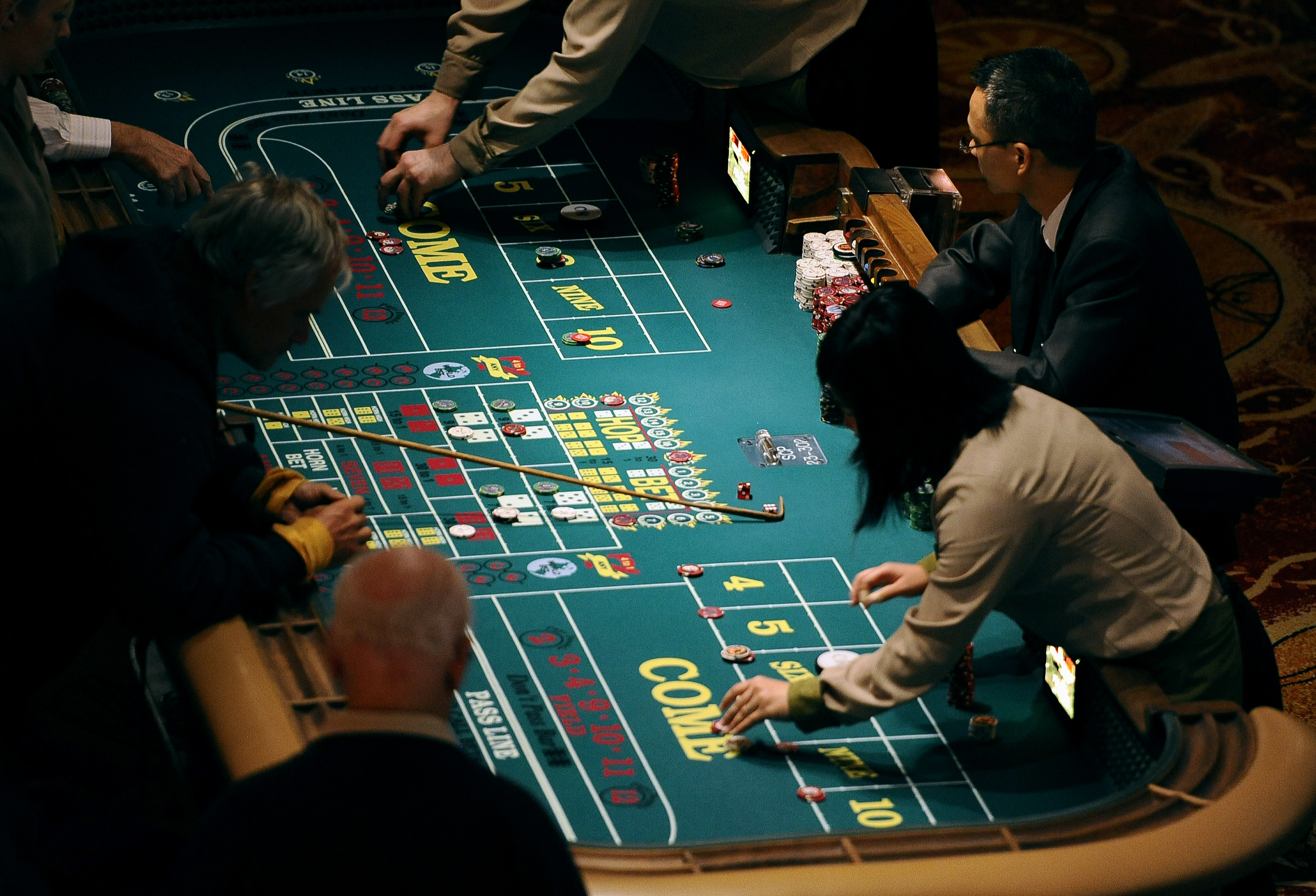
The amendment’s backers, Voters in Charge, wants to “ensure that Florida voters shall have the exclusive right to decide whether to authorize casino gambling,” the ballot summary says. It’s aiming to get on the 2018 statewide ballot.
In questions, several justices hammered the group’s lawyer, Adam Schachter, on how the amendment, if passed, would affect current gambling law and other constitutional provisions.
For instance, statewide voters in 2004 approved a change to the constitution legalizing slots at existing jai-alai frontons and horse and dog racetracks only in Broward and Miami-Dade counties and only if voters OK’d it in referendums there.
Justice Barbara Pariente asked: Would this amendment interfere with that? Voters should know what an amendment will do, as opposed to telling them “just read it and you’ll understand what you’re voting on,” she said.
The court also has not yet ruled in the case on Gretna Racing, the Gadsden County track seeking to add slot machines. Dunbar, who also represents the track, has said it should be allowed to offer slot machines because voters approved them in a local referendum in 2012.
If the court rules favorably, it could expand slot machines to all six counties where voters passed slots referendums: Brevard, Gadsden, Hamilton, Lee, Palm Beach, and Washington. That could result in the single biggest gambling expansion in the state.
Schachter insisted the amendment wasn’t retroactive, and though he said it could have some effect on existing gambling law, it can’t yet be known what that will be.
That raised an alarm from Marc Dunbar, who represents gambling interests across the state. For a ballot summary to be fair, “you have to be able to tell voters what the consequences are,” he told the justices.
This much was clear: Schachter said the amendment would no longer allow the Florida Legislature to authorize casino gambling.
But Dunbar raised the point that the federal government, through its power to regulate Indian gambling, can define what is and what is not a game of chance. That has implications for new forms of gambling, such as fantasy sports, he said.
The amendment’s proponents have a “truth in packaging” problem, he said: “The voters truly not do not know the impact of this (change) … that is a big issue here.”
Voters In Charge Chairman John Sowinski released a statement after Wednesday’s arguments, saying the language is “crystal clear in its intent – to return control of gambling decisions to the people of Florida.”
“It establishes a bright line in our state’s constitution when it comes to gambling expansion,” he said. “Those who oppose our amendment are gambling operators that have profited from a mix of loose rules, backroom lobbying deals and clever lawyering.
“We are confident that our amendment meets all the requirements for Supreme Court approval, and we look forward to the next steps in gathering enough petitions to appear on the 2018 ballot.” As of Wednesday, it had 74,626 valid signatures.
As is customary, the justices did not signal when they would rule. All initiatives need 60 percent approval to be added to the constitution.